|
$$PLAIN_TEXT_PREVIEW$$
Quarterly Newsletter For Health Care Providers
|
September already… get your pumpkin spice anything ready! We hope you all had a great summer - let’s continue this great weather for a little longer.
Our condensed June Edition was so well received – we have decided to keep this model going! As always, we would love to hear your feedback on how this newsletter can continue to improve your practice.
|
|
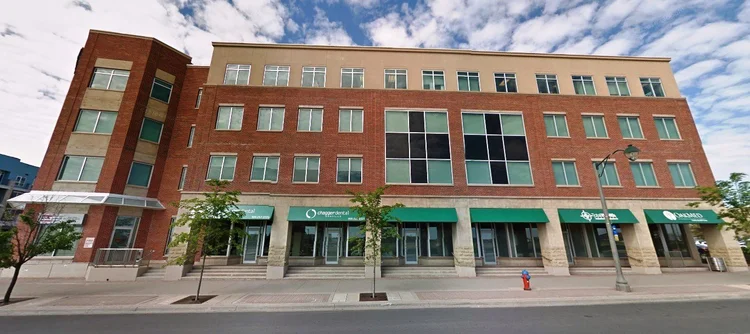
Our second location quickly became a success with multiple referrals for timely assessments. As a reminder, any individual with a physician or nurse practitioner referral can be assessed. Location:
231 Oak Park Blvd Unit 110, Oakville, ON L6H 758 Eligibility:
Must be able to attend in-person appointments. OCEAN e-Referrals:
To be available very soon! Contact us if you wish to receive the referral package via email.
|
|
Dr. Lee presents at the Alzheimer’s Association International Conference (AAIC)
|
|
AAIC, the world’s largest meeting dedicated to advancing dementia science, was held in Philadelphia this past July. Dr. Lee was invited to present on the MINT model and its spread across Canada. It was extremely well received and even garnered international interest!
|
|
An additional 5 sites will be going live this Fall/Winter across Ontario and Nova Scotia! Dr. Lee and her team continue to focus on expanding MINT clinics as early identification of memory symptoms is becoming increasingly important. Interested in offering a MINT clinic in your community? Contact us!
|
WHAT IS NEW IN DEMENTIA CARE?
|
|
2024 Update of the Lancet Commission With the possible arrival of disease modifying therapies in Canada targeting mild cognitive impairment or early dementia due to Alzheimer’s Disease, there is a large focus on early identification of memory changes and preventative strategies for developing dementia. The latest Lancet Commission report emphasizes how risk factors may be more influential in determining whether someone develops dementia than previously thought. Here are some of the most significant updates from the report. It is estimated up to half of dementia cases could be prevented if all 14 identified risk factors (Figure 1) were eliminated. Of course complete elimination is unrealistic, but observational studies continue to emphasize the importance of managing these risk factors as much as possible. Two additional risk factors identified:
|
|
|
|
Figure 1. Health issues linked to increased dementia risk. |
|
|
|
Some other highlights to discuss with your patients. Importance of cognitive stimulation: Cognitive stimulation refers to engaging in discussions and activities aimed at improving cognitive and social functioning. It’s important to note no specific program is recommended and we encourage our patients to find something they enjoy doing! Researchers followed over 100,000 individuals for 10 years and identified a lower risk of dementia in participants with high cognitive stimulation at work vs. participants with low cognitive stimulation at work (HR 0.79, 95% CI 0·66–0·95). Note: The protective effect was more significant in those with low education, but who continued to engage in cognitively stimulating activities compared to those with high education and not cognitively stimulated. Cardiovascular risk factors: Statins for the treatment of dyslipidemia: A meta-analysis (36 cohort studies) identified that statin use in persons with dyslipidemia was associated with a reduced risk of all-cause dementia (OR 0.80, 95% CI 0.75–0.86) and Alzheimer’s disease (0.68, 0.56-0.81) compared with untreated high cholesterol. Statins should not be initiated for primary prevention of dementia in the absence of elevated cholesterol. Diabetes: Intensive treatment (ie. A1c <6.5%), compared with standard diabetes control, was not found to reduce risk of dementia compared to standard treatment. Choice of anti-hyperglycemic agent (may) matter: A systematic review, meta-analysis, and network analysis (27 cohort studies) indicated that SGLT2 inhibitors (OR 0.41, 95% CI 0.22–0.76), GLP-1 receptor agonists (0.34, 0.14–0.85), and DPP-4 inhibitors (0.78, 0.61–0.99) were associated with a reduced risk of developing dementia, whereas sulfonylureas were associated with increased risk (1.43, 1.11–1.82). No difference was identified with metformin (0.71, 0.46–1.08). Note: No anti-hyperglycemic agent has been approved for the prevention of dementia. These agents should not be prescribed as such until further evidence is available. It may be reasonable to consider an SGLT2-inhibitor, GLP-1 agonist or DPP-IV inhibitor for patients with memory symptoms and requiring anti-hyperglycemic agents for managing diabetes. To read more: https://www.thelancet.com/journals/lancet/article/PIIS0140-6736(24)01296-0/abstract
|
|
Disease Modifying Therapies: Anti-Amyloid Therapies It can be difficult to review the anti-amyloid RCTs, let alone trying to compare them given the different outcomes, patient populations, risk of ARIA, dosing regimens, monitoring parameters, etc. A recent meta-analysis attempts just that. Here is a summary: Donanemab: highest amyloid clearance (which we knew from the TRAILBLAZER-ALZ 2 trial) and impact on the ADAS-Cog test. On the other hand, greater risk of ARIA-E & H compared to lecanemab. It is unclear if this is related to the degree of amyloid clearance. Lecanemab: highest effect on ADCS-ADL, which is a measure of functional status by assessing ADLs. Lower risk of adverse events, including ARIA-E and ARIA-H. Aducanumab: highest effect on MMSE, but greatest risk of ARIA-E & ARIA-H. Very unlikely to ever be available in Canada for known reasons.
Refer to Table 3 below for further information comparing various endpoints.
|
|
SUCRA: surface under the cumulative ranking area (higher values indicate better efficacy or lower likelihood of adverse events). Note this is a statistical analysis, caution clinical application. To read more: https://pubmed.ncbi.nlm.nih.gov/38429615/
|
|
Newest Sleep Agent - Is it Safe in Older Adults? Daridorexant (Quiviviq) is the latest drug to hit the market for insomnia. It works in the same way as lemborexant (Dayvigo), but there are some differences. Here are some key facts to keep in mind if you are considering its use in practice. Mechanism of action: dual orexin antagonist (DORA) Dose: 25-50mg 30 minutes prior to bedtime Onset & time to peak: 30-45 minutes; 1-2h (taking with a high-calorie meal may delay by an additional hour) Half-life elimination: approximately 8 hours (significantly shorter than lemborexant) Cost: approximately $100 per month (not covered by provincial drug formularies) Side effects: most common: nasopharyngitis (5-9%), falls (1-2%), somnolence (1-3%), and headache (1-2%). Rare, but serious: sleep paralysis, hypnogenic hallucinations
|
|
Safety in older adults: 1684 patients completed the 12-week double-blind trials (39% of the participants in both studies were aged 65 years and older) 550 patients (68.4%) completed the 40-week double-blind extension trial. Mean age was 58 years (range 19-85 years), 42% were 65 years and older
Meta-analysis: subgroup analyses of elderly participants (≥65 years old) vs. <65 years old found no difference in safety endpoints. Daridorexant was considered well-tolerated and safe at all doses. Note: baseline cognition and presence of dementia were not collected in the daridorexant clinical trials. Although there is no known mechanistic rationale for increased risk of dementia with daridorexant at this time, it should be used with caution in this population. There is some (although limited) data supporting use of lemborexant in those with cognitive impairment, therefore it is reasonable to consider it first until further safety data is available. .
|
|
Plum Tree’s Medication Reminder Service - now for more than medication reminders! We are constantly trying to find ways to help individuals with cognitive impairment. Whether that is improving medication adherence or finding community services, our team will find a way. We recently received a call from a family caregiver of a parent with dementia. She needs to remind her parent of upcoming appointments but was leaving for a 2-week vacation and won’t have reliable cell phone service. She wondered if our medication reminder service could be adapted to provide appointment reminders? The answer is… absolutely. Our personalized recorded reminders was a great success and ensured her parent attended her hair appointment, day program, and scheduled cab ride to the grocery store. This service gave her caregiver peace of mind during a much-needed holiday.
|
Interested in Plum Tree’s Medication Reminder Service?
Contact us to get started.
Our monthly subscription is only $30/month + tax. Patients can try it free to 2 weeks.
|
|
Congregated Living and Dementia - Tips for Success After working 13 years in Retirement and Long-Term Care Home settings, with 6 of those years as a nurse in a secure dementia unit, reading the article ‘Violent dementia patients leave nursing home staffers and residents ‘scared to death’’ sheds light on why a well-trained, person centric, multi-disciplinary team approach is vital to the wellbeing of those living and working in congregated care settings. The article reviews an altercation between two residents, Dan Shively and Jeffrey Dowd, living in a Memory Care Community. The altercation resulted in the unfortunate death of Dan Shively on Jeffrey’s fourth day at the facility. In my experience, most individuals living with dementia and moving into a secure long term care will take at least several weeks to acclimate to their new surroundings. This can be a fearful time for the person living with dementia as they are surrounded by new faces, new sounds, and a new environment. Many come from living alone or with one other person to now living with dozens of other residents. The article reports that when Jeffrey moved into the facility, a note was circulated to employees warning them that he could be “physically/verbally abusive when frustrated”. When information such as this is shared, one must delve deeper. What leads to him to experience feelings of frustration? Are there specific verbal or nonverbal changes that might indicate he is frustrated, which then escalates to physical/verbal aggression? What strategies has family successfully and unsuccessfully implemented in the past to reduce frustration? Simply warning the care facility of potential risk for verbal/physical abuse often results in fear and without important contextual information that could be potentially helpful in reducing the risk of escalation, thereby reducing risk to other residents and staff and most importantly, helping the individual through a very stressful transition into congregated living. In my experience, circulating to staff ahead of time the known source(s) of frustration and past techniques that were both successful and not successful has helped care team members be better prepared. Within the article, licensed clinical social worker and dementia researcher Tracy Wharton was quoted as stating “We can’t expect someone who is constantly and unfailingly disoriented to adapt to our environment anymore […] we have to adapt to them.” I believe this is accurate. For example, if a new resident appears overwhelmed with eating in the dining room with others, we can be pro-active and offer alternatives such as eating their meal alone or with one other person in a quieter area while still in view of the care team. We can help by being flexible rather than expecting the resident to adapt. Getting to know each resident and their unique likes, dislikes, moments of pride or negative past experiences further enhances a team’s ability to connect with each individual. We can use this knowledge to adapt our approach or the environment as needed. A team’s ability to support residents can also be enhanced with a multi-disciplinary lens that successfully incorporates the knowledge and observations made by nursing, personal support workers, dietary, housekeeping, pharmacist, physician, the resident’s care partners, and anyone else involved in their circle of care. In closing, dementia is a progressive, terminal neurodegenerative condition. When someone living with dementia moves into a new environment, we cannot expect them to instantly adapt as cognitive flexibility is often reduced. Team members working with those living with dementia need to be educated on the types of dementia and their unique clinical manifestations in order to optimally support residents experiencing one of the most difficult transitions in their lifetime Of note, Plum Tree Memory Care has a new program funded by the Ontario Ministry of Health aimed at improving the training in dementia care for PSWs and other staff in Long Term Care. Our Better Together Dementia Care (BTDC) program is offered through the Ontario Centre for Learning, Research, and Innovation and we will be training our first three LTC homes this Fall. We expect to be able to offer this training to several more LTC homes next year at no cost to the home and with backfill pay for LTC staff to attend the training. If you are aware of an Ontario LTC home that might be interested in this training in 2025, please reach out to jen.mckay@plumtreememory.ca for more information.
|
|
Virtual Home Safety Assessments Home assessments, are often completed by Occupational Therapists for the purpose of facilitating maximum independence, safety and longevity in the home. The factors initiating a referral are wide and varied. These goals are achieved through a thorough assessment of a patient’s functional status in their home environment and making appropriate recommendations. These may include equipment, renovations, strategies, community resources and caregiver education to name a few. Referrals are made for individuals experiencing challenges managing in their home or perhaps when there is a change of status that necessitates some corresponding adjustments to manage these changes. In short, the goal of a home assessment is to support people with their safety and independence in their goal of remaining in their home environment. The challenges, as health care resources are stretched, is often significant difficulty obtaining a timely OT home assessment. Although an in-person OT home assessment is an excellent way to support these goals, the travel to each patient’s home is resource intensive, and in many municipalities the wait for an OT home assessment can stretch many months. In addition, many people live at distances not easily accessible for therapists and as a result not eligible for the service. Despite the known negative effects of COVID-19, an interesting finding was the ability to inadvertently promote the use of communication technology to those who may previously have not been interested in such things. Many family members were now willing to consider communication options such as Zoom and Facetime to keep in touch with their loved ones. On the heels of such changes, with the high need for OT home assessments for people across a wide geographical area, began Virtual Home Assessments (VHA). Virtual home assessments offer the ability to assess a patient, their home and their situation virtually. A reversible camera on a phone or tablet, allows one to easily take a therapist through their home, and allows the therapist to discuss a home set-up with the patient and their family. The therapist can make recommendations such as ambulation aids, bathroom equipment, memory supports, assess medication administration strategies and recommend community supports, to name a few. Plum Tree recently piloted a project of VHAs and identified that many people had a positive response to the use of technology for a virtual home assessment. They perceived the visit to be quicker and less anxiety provoking than in person, allowed out of town family members to participate, and appreciated the quicker access to service. Patients also reported that they felt the VHA increased their awareness of risk situations in their home and strategies to mitigate it. In addition, it provided information on supports and services to facilitate their ongoing management in the home, validated their concerns and provided reassurance. VHA’s offer a convenient, geographical friendly, cost-effective way to allow equality of accessibility in a more timely manner and cost effective to promote the goal of managing safely and independently. Interested in a Virtual Home Assessment? Contact lissa.kuzych@plumtreememory.ca for more information.
|
|
References 2024 Update of the Lancet Commission
1. Livingston G, Huntley J, Liu KY, et al. Dementia prevention, intervention, and care: 2024 report of the Lancet standing Commission. Lancet. 2024 Aug 10;404(10452):572-628. 2. Livingston G, Huntley J, Sommerlad A, et al. Dementia prevention, untervention, and care: 2020 report of the Lancet Commission. Lancet 2020; 396: 413–46.
3. Kivimäki M, Walker KA, Pentti J, et al. Cognitive stimulation in the workplace, plasma proteins, and risk of dementia: three analyses of population cohort studies. BMJ 2021; 374: n1804.
4. Olmastroni E, Molari G, De Beni N, et al. Statin use and risk of dementia or Alzheimer’s disease: a systematic review and meta analysis of observational studies. Eur J Prev Cardiol 2022; 29: 804–14. 5. Tian S, Jiang J, Wang J, et al. Comparison on cognitive outcomes of antidiabetic agents for type 2 diabetes: a systematic review and network meta-analysis. Diabetes Metab Res Rev 2023; 39: e3673. Disease Modifying Agents - Anti-Amyloid Therapies
6. Qiao Y, Gu J, Yu M, et al. Comparative Efficacy and Safety of Monoclonal Antibodies for Cognitive Decline in Patients with Alzheimer's Disease: A Systematic Review and Network Meta-Analysis. CNS Drugs. 2024 Mar;38(3):169-192. Newest Sleep Agent - Is it Safe in Older Adults?
7. Mignot E, Mayleben D, Fietze I, et al. Safety and efficacy of daridorexant in patients with insomnia disorder: results from two multicentre, randomised, double-blind, placebo-controlled, phase 3 trials. Lancet Neurol. 2022 Feb;21(2):125-139. 8. Kunz D, Dauvilliers Y, Benes H, et al. Long-Term Safety and Tolerability of Daridorexant in Patients with Insomnia Disorder. CNS Drugs. 2023 Jan;37(1):93-106.
Congregate Living and Dementia - Tips for Success
9. Rau, Jordan. (2024, Aug 9). ‘Scared to Death’: Nurses and Residents Confront Rampant Violent in Dementia Care Facilities. KFF Health News. https://kffhealthnews.org/news/article/dementia-resident-violence-rampant-montana/
|
|
|
|